 Jamie Sullivan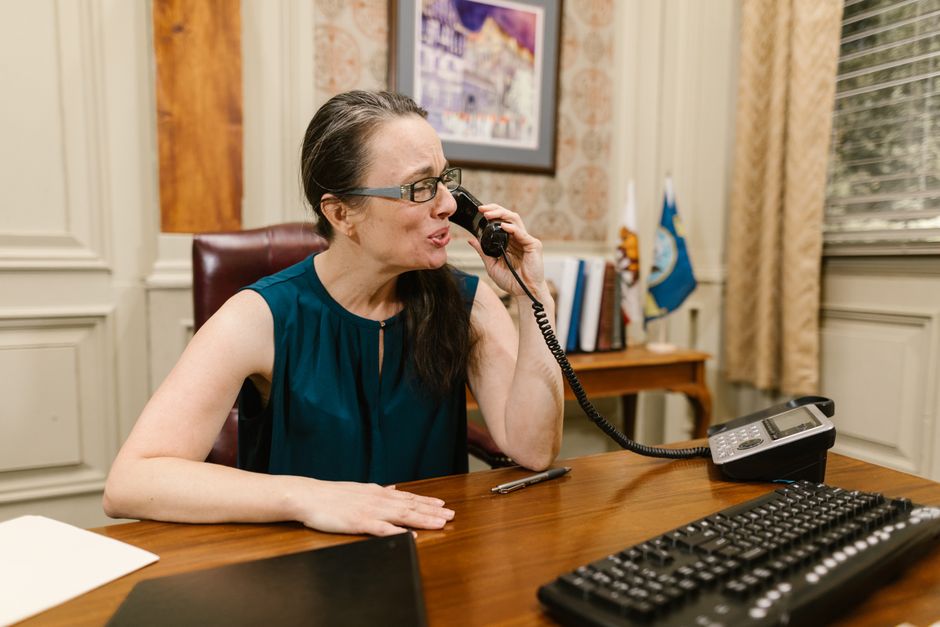
Most people who share the 988 number don’t explain what actually happens when you call it. They post it with a heart emoji and move on. That leaves a lot of people wondering whether to dial, what they’ll hear, and whether it’s really for them. Let’s fix that.
What 988 Actually Is (and What It Replaced)
The 988 Suicide and Crisis Lifeline launched in July 2022, replacing the old ten-digit National Suicide Prevention Lifeline. The switch was intentional: a three-digit number is easier to remember in the worst moments, the same way 911 requires no preparation.
What didn’t change is the infrastructure behind it. The network is made up of over 200 local and regional crisis centers spread across the U.S., which means when you call, you’re usually connected to a counselor in or near your state. Not a call center in one city fielding every call in the country. That local routing matters because counselors often know the specific resources, hospitals, and follow-up programs available in your area.
Texting 988 works too, and it’s become genuinely popular among people who find voice calls harder. The chat option is available at 988lifeline.org. For Spanish speakers, there’s a dedicated option when you call, as well as specialized lines for LGBTQ+ youth (Option 3) and veterans (Option 1).
Who It’s For (The Answer Is Broader Than You Think)
Helpful resource: The Body Keeps the Score by Bessel van der Kolk is a top-rated option for this. (As an Amazon Associate this site earns from qualifying purchases.)
Here’s the take that surprises people: you don’t have to be suicidal to call 988.
The line is designed for anyone experiencing a mental health or substance use crisis. That includes panic attacks that won’t stop, dissociative episodes, unbearable grief, psychotic symptoms, a relapse, or a situation where you’re worried about someone else. The counselors are trained for emotional crisis support, not just suicide intervention. If you’re shaking and can’t think straight at 2 a.m. because of anxiety that’s been building for weeks, 988 is appropriate. You’re not taking a spot from someone “more deserving.”
I’ve had clients who felt embarrassed calling because they weren’t sure they were “bad enough.” Almost every one of them said the call helped. One described it as “having permission to be a mess for twenty minutes with someone who could handle it.” That’s not a small thing.
What Happens When You Call
You’ll hear an automated greeting and a brief hold before connecting to a counselor. The hold times have improved since launch, but they’re still occasionally a few minutes during high-volume periods. Stick with it.
Once connected, a real person answers. They’ll ask what’s going on. There’s no script you’re required to follow, no intake form, no insurance question. You can give a fake name or no name at all. The call is confidential with narrow exceptions: if a counselor determines someone is in immediate danger of dying, they may initiate a welfare check, but this is genuinely a last resort and less common than people fear.
The counselor will listen, ask questions, help you stabilize, and work with you on a safety plan or next step if needed. The call doesn’t have to end with a referral or a hospitalization. Many calls end with someone feeling calmer and having a clearer plan for the next few hours. That’s a successful call.
If you text instead, the format is the same process, just slower-paced and text-based. Some people actually prefer this because it gives them a moment to think before responding. Both options are valid.
The Limits You Should Know About
988 is crisis support, not ongoing therapy. It’s a bridge, not a treatment program.
Counselors can’t prescribe medication, can’t provide a diagnosis, and can’t follow up with you tomorrow unless your center has a follow-up call program (some do, not all). If what you actually need is a therapist you see every week, 988 can point you in that direction, but the referral work is on you. SAMHSA’s treatment locator is the most reliable free tool for finding local mental health and substance use services once you’re past the immediate crisis.
There’s also the welfare check concern, and it’s worth being direct about it. If you tell a counselor you have a specific plan and are about to act on it, emergency services may be dispatched. The threshold for this varies by center and counselor, but it exists. For most callers, this never becomes relevant. For people with certain histories involving police or emergency response, it’s a real consideration, and I won’t pretend otherwise. The 988 network is working on “mental health only” response alternatives in many areas, but implementation is uneven across states as of 2026.
If You’re Calling for Someone Else
You can call 988 on behalf of a friend or family member you’re worried about. Counselors can help you figure out what to say to someone in crisis, how to assess risk, and what resources to connect them with. You don’t need to be in crisis yourself to use the line.
This is underused. Parents calling about teenagers, partners calling about spouses, friends calling because they don’t know what to do at midnight, all of this is appropriate. The counselor can help you think through your specific situation rather than just giving you a pamphlet’s worth of generic advice.
If you want to build some baseline skills for supporting someone else, The Dialectical Behavior Therapy Skills Workbook by Matthew McKay (available on Amazon, note the site may earn a commission) covers communication and distress tolerance skills that are genuinely useful for both sufferers and supporters.
This article is for general informational purposes only and does not constitute mental health, medical, or clinical advice. If you are in crisis or experiencing a mental health emergency, please contact the 988 Suicide and Crisis Lifeline (call or text 988) or go to your nearest emergency room. Always consult a licensed mental health professional for care specific to your needs.
Sources
- 988 Suicide and Crisis Lifeline
- The Body Keeps the Score by Bessel van der Kolk
- SAMHSA’s treatment locator
- on Amazon
- Aura Smart Sleep and Meditation Lamp
Disclosure: As an Amazon Associate, we earn a small commission from qualifying purchases at no extra cost to you. We only recommend products that genuinely support the topics covered in this article.
- Feeling Good: The New Mood Therapy (~$14), The most clinically studied self-help book for depression, recommended by therapists worldwide as CBT-based self-treatment.
- Depression & Anxiety Therapy Journal (~$10), 8-week guided journal with trigger tracking and mood diary, mirrors the homework your therapist would assign between sessions.
Recommended Resources
Disclosure: As an Amazon Associate, we earn a small commission from qualifying purchases at no extra cost to you. We only recommend products that genuinely support the topics covered in this article.
- Feeling Good: The New Mood Therapy (~$14), The most clinically studied self-help book for depression, recommended by therapists worldwide as CBT-based self-treatment.
- Depression & Anxiety Therapy Journal (~$10), 8-week guided journal with trigger tracking and mood diary, mirrors the homework your therapist would assign between sessions.