 Dr. Chris Peterson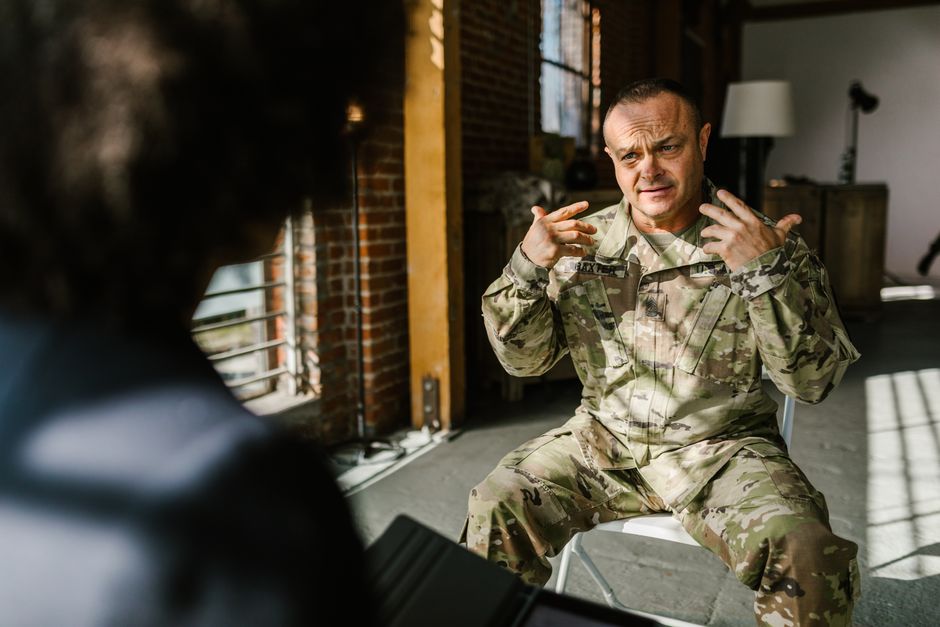
Most people assume military mental health care is either unavailable or buried under so much red tape it’s not worth pursuing. I’ve spent years working alongside VA clinical teams and veteran peer support programs, and I’ll be honest: that assumption is partially earned. The system is genuinely complicated. But what surprised me, the deeper I got into this work, was how many solid, often free resources exist right now that servicemembers and veterans simply don’t know about, or have written off based on outdated information.
The landscape has shifted meaningfully in the past few years. Stigma inside military culture around mental health help-seeking hasn’t evaporated, but it has softened, particularly among younger cohorts. Access gaps remain real, especially in rural areas and for National Guard and Reserve members who aren’t on active installations. And the bureaucratic friction at the VA is genuine. But the resources themselves? Considerably better than most people in uniform believe.
Let me walk through what actually exists, what works, and a few things I’d tell a servicemember or veteran before they make their first call.
- Veterans can access free mental health care through VA facilities with no copay for most mental health services.
- The 988 Suicide and Crisis Lifeline (press 1) connects veterans to specialized crisis counselors 24/7.
- TRICARE covers mental health for active duty, dependents, and many reservists, often with no referral needed.
- Military OneSource offers up to 12 free counseling sessions per issue for non-medical concerns.
- The research on peer support programs is strong: veteran-to-veteran models show measurably better engagement than clinician-only models.
What’s Actually Available (and Who Qualifies for What)
This is where I made an embarrassing mistake early in my career. I assumed VA mental health benefits were primarily for combat veterans or those with service-connected diagnoses. That’s wrong, and it’s a misunderstanding that keeps people from even applying.
As of August 2026, any veteran who served on active duty and was discharged under conditions other than dishonorable is eligible for VA mental health services. That includes primary care mental health integration, individual therapy, group therapy, psychiatric evaluation, and medication management. There’s no copay for most mental health services, which matters enormously when you consider that a single hour with an out-of-network therapist in a city like Denver or Seattle can run $175 to $250.
Active duty servicemembers have a separate system: TRICARE, which covers inpatient and outpatient mental health care. Depending on the plan (Prime, Select, or overseas variants), cost-sharing varies, but active duty members using military treatment facilities (MTFs) typically pay nothing. Their covered dependents have more variation, sometimes requiring copays in the $30 to $65 range per outpatient visit under Select plans.
Then there’s Military OneSource, which is the one I see underused most consistently. It offers up to 12 free sessions with a licensed counselor per presenting issue, available to active duty, Guard, Reserve, and their families. These sessions are confidential and specifically designed for non-medical concerns: relationship stress, work conflicts, parenting difficulties, grief. They won’t diagnose or treat clinical disorders, but for someone who’s struggling and not sure they’re “sick enough” for the VA, it’s an exceptional entry point. You can access it at MilitaryOneSource.mil or by calling 1-800-342-9647.
| Resource | Who Qualifies | Cost | Session Limit | Type of Care |
|---|---|---|---|---|
| VA Mental Health Services | Veterans (most discharges) | $0 for most MH services | None | Full clinical spectrum |
| TRICARE (MTF) | Active duty & dependents | $0 at MTF | None | Full clinical spectrum |
| TRICARE Select (civilian) | Active duty & dependents | ~$30-65/visit | None | Full clinical spectrum |
| Military OneSource | Active, Guard, Reserve, families | $0 | 12 per issue | Non-medical counseling |
| Vet Center Program | Combat vets, MST survivors | $0 | None | Readjustment counseling |
| Veterans Crisis Line | All veterans & families | $0 | Crisis contacts only | Crisis intervention |
One resource I’d add that doesn’t get enough attention: the Vet Center Program. These are community-based counseling centers, separate from main VA medical centers, specifically designed for combat veterans and military sexual trauma survivors. The vibe is deliberately less clinical. Smaller, quieter, staffed heavily with veteran counselors. When I’ve referred people who were intimidated by large VA campuses, Vet Centers have often been the better fit.
The Stigma Problem Is Real, and Complicated
Helpful resource: Get Out of Your Mind and Into Your Life (ACT Workbook) is a top-rated option for this. (As an Amazon Associate this site earns from qualifying purchases.)
I’m not going to pretend it isn’t. I’ve had veterans tell me they’d rather white-knuckle through insomnia and hypervigilance for years than have anything in their service record that might affect a security clearance. That fear is not irrational. Command culture still varies wildly. And the concern about career impact, though overstated in many cases, deserves honest acknowledgment.
Here’s what I can say with some confidence: seeking care through Military OneSource, the Veterans Crisis Line, or community-based Vet Centers involves records that are, in most cases, handled separately from military personnel files. The VA’s mental health records are not automatically shared with employers or security clearance investigators. The research here is more reassuring than most veterans assume, but I’d encourage anyone with a specific clearance concern to consult the security clearance attorneys or JAG officers who specialize in this, because the details genuinely matter.
What I’ll say plainly: untreated PTSD, depression, and alcohol use disorder are far more likely to end a career or a marriage than seeking help. That’s not a platitude. I’ve watched it happen in both directions.
Peer Support: Underrated, Evidence-Backed
This one surprised me when I first dug into the data seriously. Peer support specialists, veterans who’ve been through mental health treatment themselves and are trained to support others, show measurably better engagement outcomes than clinician-only models for many veteran populations. A 2021 study published in Psychiatric Services found that veteran peer support programs were associated with significantly higher rates of treatment initiation and session attendance compared to standard referral processes.
The VA now employs thousands of peer support specialists across the country. They’re not replacing therapists. But for a veteran who’s on the fence, a peer who can say “here’s exactly what my first VA intake appointment looked like, here’s what the waiting room smells like, here’s what they asked me” is sometimes more effective than any brochure.
Real example of how this plays out: a combat veteran I’ll call Marcus (identifying details changed) had been avoiding the VA for three years after a difficult initial experience. He was connected with a peer specialist through a community reintegration program. That specialist walked him through re-enrolling, sat with him at his intake, and helped him articulate what he needed. Within six months, Marcus was engaged in weekly individual therapy and had started a sleep medication that meaningfully reduced his nightmares. The peer didn’t provide therapy. He removed friction.
Crisis Resources: Know These Before You Need Them
The 988 Suicide and Crisis Lifeline with “press 1” for veterans connects directly to specialized crisis counselors who have specific training in military culture and veteran experiences. Available 24/7 by call, text, or chat. This isn’t a last resort, it’s appropriate any time distress is escalating and someone needs to talk.
The Veterans Crisis Line also has a chat option at VeteransCrisisLine.net, which matters because not everyone can make a phone call in the moment they need support.
For active duty members, installation Military Family Life Counselors (MFLCs) provide confidential support without generating medical records. They’re not able to provide ongoing therapy, but for a servicemember who’s in a rough patch and wants to talk to someone without any documentation, MFLCs are specifically designed for that.
Finding a Therapist Outside the VA
Sometimes the wait times at VA facilities are genuinely prohibitive. As of this year, some rural VA catchment areas have waits of 4 to 8 weeks for an initial mental health appointment, which is too long for someone in acute distress. The VA’s Community Care Network is supposed to address this by authorizing veterans to see approved community providers, and it has improved, though inconsistently.
For veterans looking outside the VA system, Psychology Today’s therapist directory allows you to filter by specialty areas including PTSD, military veterans, and trauma. You can also filter by insurance accepted, which matters if you’re using TRICARE.
A few workbooks I’ve seen used effectively in clinical settings alongside therapy: The PTSD Workbook by Mary Beth Williams and Soili Poijula (affiliate link, the site may earn a commission if you purchase through our links) is legitimately well-structured for self-directed work between sessions. For sleep specifically, Goodnight Mind by Colleen Carney addresses insomnia patterns common in veteran populations and pairs well with CBT-I (Cognitive Behavioral Therapy for Insomnia), which the VA now offers in-person and via app.
Sources
- VA Mental Health: Official VA resource hub for veteran mental health services and program listings
- TRICARE Mental Health Coverage: Official TRICARE documentation on covered mental health benefits by plan type
- Chinman, M. et al. (2014): “Peer Support Services for Individuals with Serious Mental Illnesses,” Psychiatric Services, foundational study on peer specialist effectiveness
- Military OneSource: DoD resource for 12-session non-medical counseling and family support services
- VA Office of Mental Health and Suicide Prevention Annual Report (2025): Data on VA mental health patient volumes and program reach
Photo: RDNE Stock project via Pexels
This article is for general informational purposes only and does not constitute mental health, medical, or clinical advice. If you are in crisis or experiencing a mental health emergency, please contact the 988 Suicide and Crisis Lifeline (call or text 988) or go to your nearest emergency room. Always consult a licensed mental health professional for care specific to your needs.
Recommended Resources
Disclosure: As an Amazon Associate, we earn a small commission from qualifying purchases at no extra cost to you. We only recommend products that genuinely support the topics covered in this article.
- Feeling Good: The New Mood Therapy (~$14), The most clinically studied self-help book for depression, recommended by therapists worldwide as CBT-based self-treatment.
- Depression & Anxiety Therapy Journal (~$10), 8-week guided journal with trigger tracking and mood diary, mirrors the homework your therapist would assign between sessions.