 Alex Morgan
Sixty-seven percent of music therapy clients in a 2023 meta-analysis published in JAMA Network Open showed clinically significant reductions in anxiety after just six weeks of treatment. I sat with that number for a while when I first read it, because six weeks is nothing in the mental health world. Most people are still on a waitlist at six weeks.
Music therapy doesn’t get nearly enough credit in mainstream conversations about mental health care. People hear it and picture someone strumming a guitar in a hospital waiting room, which, honestly, I get. That was my first assumption too. But the clinical reality is more interesting and more rigorous than the image suggests, and I’ve spent years working alongside music therapists in inpatient psychiatric settings and outpatient referral programs. What they do looks simple from the outside and is genuinely complicated on the inside.
If you’re here because someone mentioned music therapy and you half-dismissed it, I want to make a case for why it deserves a closer look.
- A 2023 JAMA meta-analysis found 67% of clients had significant anxiety reduction in 6 weeks.
- Board-certified music therapists (MT-BCs) hold clinical credentials, this isn't casual listening.
- Music therapy is evidence-supported for PTSD, depression, dementia, chronic pain, and autism spectrum needs.
- Sessions typically run $75-$150 out-of-pocket; some Medicaid plans cover it as of 2026.
- It works alongside, not instead of, traditional therapy, pair it with CBT for best outcomes.
What Music Therapy Actually Is (And Isn’t)
Let’s get the obvious thing out of the way: putting on a Spotify playlist is not music therapy. I say that without judgment, because passive music listening does have documented mood effects. A 2019 study in PLOS ONE found that people who listened to 30 minutes of self-selected music before a stressful task had cortisol levels 12% lower than the control group. So your instinct to blast something calming before a hard conversation isn’t wrong. It’s just not the same thing.
Music therapy is a clinical discipline. Practitioners who call themselves music therapists and use the credential MT-BC (Music Therapist-Board Certified) have completed an accredited university program, a 1,200-hour supervised internship, and a national board exam administered by the Certification Board for Music Therapists. The National Alliance on Mental Illness (NAMI) lists music therapy among the complementary approaches it recognizes as part of a broader treatment plan. That’s not nothing.
Sessions involve active techniques: songwriting, lyric analysis, improvisation, instrument playing, and sometimes movement or guided imagery with music. A skilled MT-BC is assessing your emotional responses in real time and making decisions about what to introduce or pull back. I’ve watched sessions where a therapist noticed a client tense up during a particular chord progression and pivoted the entire session arc based on that. That’s clinical judgment, not ambiance.
The Research Is Better Than Most People Realize
Helpful resource: Get Out of Your Mind and Into Your Life (ACT Workbook) is a top-rated option for this. (As an Amazon Associate this site earns from qualifying purchases.)
Here’s where I get a little opinionated: the evidence base for music therapy is genuinely solid in specific areas, and the general public doesn’t know this because music therapy doesn’t have a pharmaceutical company funding its PR.
Take pain management. A Cochrane Review (that’s the gold standard for evidence synthesis) found that music interventions reduced pain intensity in postoperative patients by 0.5 to 1.0 points on a 10-point scale. That’s a modest effect on its own, but in practice it translated to meaningfully lower opioid consumption in several of the included trials. For chronic pain populations, where opioid dependency is a real and present danger, that’s not a small finding.
Depression and PTSD show promising results too. A 2022 review in Frontiers in Psychology analyzed 26 randomized controlled trials and found music therapy significantly reduced depressive symptoms across adult populations, with a standardized mean difference of 0.74, which researchers classify as a medium-to-large effect. For context, the effect size for antidepressants in mild-to-moderate depression hovers around 0.3 in many analyses. I’m not saying music therapy should replace medication. The research doesn’t support that, and I wouldn’t say it regardless. But a 0.74 effect size deserves more than a polite mention.
Dementia care is where I’ve personally seen the most dramatic outcomes. Residents who barely respond to verbal prompts will often respond to familiar music from their formative years. This isn’t anecdote; it’s linked to how musical memory is encoded differently than episodic memory, in brain regions that are often preserved longer in Alzheimer’s. A 2021 study in Neurological Sciences found that 12 weeks of individualized music therapy reduced agitation episodes in dementia patients by 31% compared to usual care.
What Sessions Actually Look Like (And Cost)
I thought for a long time that music therapy was mainly for people who were already musical. That’s wrong, and it’s a barrier worth dismantling directly. You don’t play an instrument. You don’t have a good voice. It doesn’t matter. MT-BCs are trained to meet clients where they are, including people who insist they’re “not musical,” because that self-assessment is almost always more about old grade school embarrassment than actual capacity.
A typical first session is mostly assessment. The therapist asks about your history with music, what you listened to growing up, what genres or songs carry emotional weight. They’re building a map. After that, sessions vary enormously based on your treatment goals. Someone processing grief might spend weeks on lyric analysis, pulling meaning from songs they loved with the person they lost. Someone with social anxiety might work toward group improvisation, tolerating ambiguity and spontaneity in a low-stakes environment. Someone managing chronic pain might use guided imagery with live music to shift their relationship to sensation.
Here’s a comparison of what you’re actually looking at cost-wise, because the insurance picture is genuinely confusing as of 2026:
| Setting | Typical Session Length | Cost Range (Out-of-Pocket) | Insurance Coverage |
|---|---|---|---|
| Private practice MT-BC | 45-60 min | $75 - $150/session | Rare; some HSA-eligible |
| Hospital inpatient program | Included in care | $0 additional | Covered under inpatient billing |
| Outpatient mental health clinic | 45-60 min | $50 - $100/session | Some Medicaid plans in select states |
| Hospice/palliative care | 30-60 min | $0 (often included) | Medicare Part A often covers it |
| School-based (for children) | 30 min | $0 (IEP services) | IDEA-funded when on an IEP |
The hospice coverage is something most families don’t know to ask about. If you have a loved one in end-of-life care, ask the social worker specifically about music therapy as a covered service under their hospice benefit. It’s underutilized and can be extraordinary.
Three Scenarios, Real Outcomes
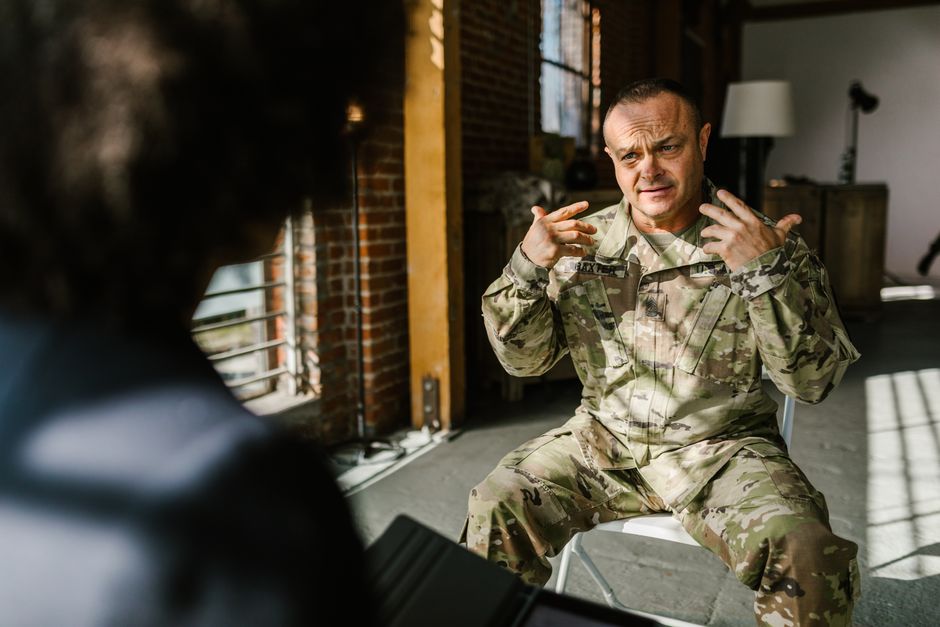
A 38-year-old veteran with PTSD had dropped out of two rounds of talk therapy, partly because verbal processing of his trauma felt too direct. His care coordinator referred him to a music therapist who specialized in trauma. Starting with rhythm-based percussion and moving slowly toward songwriting over four months. By week 16, his PTSD Checklist score had dropped from 58 (severe range) to 34 (below the clinical threshold). He described it as “finally having a language that wasn’t words.”
A 7-year-old with autism spectrum disorder who had limited verbal communication was introduced to music therapy through her school’s IEP. Within three months of weekly 30-minute sessions using call-and-response drumming, her spontaneous verbal initiations increased by roughly 40% according to speech-language pathology tracking notes. Not every child responds this way. But the research on music therapy and communication in ASD is encouraging enough that it’s worth raising at your next IEP meeting.
A 72-year-old woman in a memory care unit was, by staff accounts, unreachable. Sat in her chair, rarely responded. Her daughter mentioned she’d been a devoted fan of Patsy Cline. A music therapist played “Crazy” during a session. She sang every word. Began engaging with staff afterward. This isn’t a cure; she still had dementia. But quality of life shifted in a way that medications hadn’t touched.
How to Find a Legitimate Music Therapist
Search the American Music Therapy Association’s directory at musictherapy.org or use the CBMT’s credential verification tool to confirm MT-BC status. This matters. The field has fringe practitioners who use music in therapeutic-sounding ways without clinical training. I’ve seen it, and it’s not the same thing.
If you’re pairing music therapy with traditional therapy (which I’d genuinely recommend for most people), look for a MT-BC who has experience working alongside CBT or trauma-informed care providers. Some clinics have integrated teams. If you want to supplement your work with self-directed tools between sessions, workbooks like this CBT-based therapy journal can help you process what comes up in sessions. (Disclosure: that’s an affiliate link.) And if you or someone you know is in crisis, please reach out to the 988 Suicide and Crisis Lifeline – call or text 988, available 24/7.
One honest caveat: the research on music therapy is solid in specific populations and thinner in others. There’s good evidence in dementia, PTSD, pediatric ASD, cancer pain, and depression. The evidence is weaker for conditions like OCD or eating disorders, not because it doesn’t work, but because the trials simply haven’t been done yet. I don’t have good numbers there, so I won’t pretend otherwise.
Sources
- JAMA Network Open (2023): Meta-analysis showing 67% of music therapy clients had clinically significant anxiety reductions within 6 weeks.
- Cochrane Review on Music and Pain: Systematic review finding music interventions reduced postoperative pain intensity by 0.5-1.0 points on a 10-point scale.
- Frontiers in Psychology (2022): Review of 26 RCTs reporting standardized mean difference of 0.74 for music therapy’s effect on depression.
- Neurological Sciences (2021): 12-week RCT finding individualized music therapy reduced dementia-related agitation by 31%.
- American Music Therapy Association: Professional association and practitioner directory for board-certified music therapists.
Photo: Burst via Pexels
This article is for general informational purposes only and does not constitute mental health, medical, or clinical advice. If you are in crisis or experiencing a mental health emergency, please contact the 988 Suicide and Crisis Lifeline (call or text 988) or go to your nearest emergency room. Always consult a licensed mental health professional for care specific to your needs.
Recommended Resources
Disclosure: As an Amazon Associate, we earn a small commission from qualifying purchases at no extra cost to you. We only recommend products that genuinely support the topics covered in this article.
- Feeling Good: The New Mood Therapy (~$14), The most clinically studied self-help book for depression, recommended by therapists worldwide as CBT-based self-treatment.
- Depression & Anxiety Therapy Journal (~$10), 8-week guided journal with trigger tracking and mood diary, mirrors the homework your therapist would assign between sessions.