 Jamie Sullivan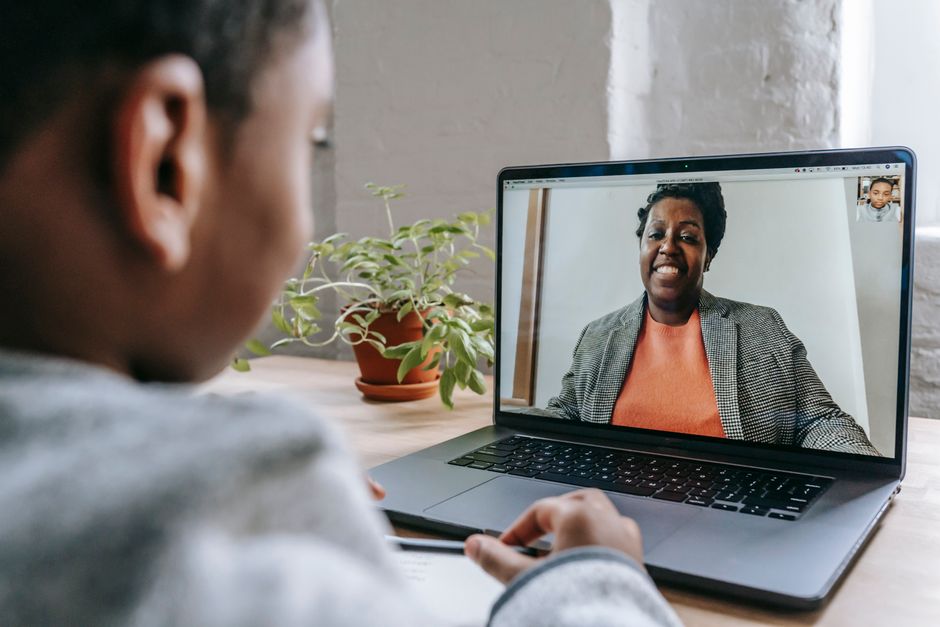
Imagine you’ve finally decided to try therapy. You’ve done the hard part, the part most people spend months or years avoiding, you’ve admitted you could use some help. Then you open a browser tab and immediately hit a wall. Do you find someone local? Use one of those apps? What’s actually the difference? I’ve watched so many people stall right here, not because they don’t want help, but because the logistics feel like a second obstacle course after the emotional hurdle they just cleared. So let’s cut through it.
What Online and In-Person Therapy Actually Look Like Day to Day
In-person therapy is what most people picture: a scheduled appointment, a waiting room, a dedicated office, a human sitting across from you in real time. Sessions typically run 45 to 50 minutes. You drive there, sit down, talk, and drive home.
Online therapy covers a wider range of formats than most people realize. It can mean a live video session with a licensed therapist that looks almost identical to in-person, just on a screen. It can also mean asynchronous text messaging through platforms like BetterHelp or Talkspace, where you send messages throughout the week and your therapist responds within a set window. Some platforms offer audio-only sessions. A few hybrid arrangements let you mix video and in-person appointments depending on the week.
Neither format means you’re getting watered-down care. Both can involve the same evidence-based approaches: cognitive behavioral therapy (CBT), dialectical behavior therapy (DBT), EMDR, acceptance and commitment therapy (ACT), and others. The delivery method changes. The clinical framework doesn’t have to.
The Real Advantages of Online Therapy
Helpful resource: Muse S Meditation and Sleep Headband is a top-rated option for this. (As an Amazon Associate this site earns from qualifying purchases.)
Access is the biggest one. I’ve worked with people who live 90 minutes from the nearest therapist who takes their insurance. For them, online therapy isn’t a convenience feature. It’s the only realistic option. Same goes for people with physical disabilities, chronic illness, social anxiety that makes leaving the house genuinely difficult, or schedules that make a weekly midday appointment logistically impossible.
There’s also something to be said about comfort. Some people open up faster when they’re in their own space. I’ve heard clients say they feel less “on display” during a video call than sitting in a stranger’s office. That sense of safety can accelerate the work, particularly in early sessions when trust is still being built.
Consistency is another underrated benefit. If you travel for work, if you’re a parent with unpredictable childcare, or if you’ve historically let scheduling conflicts derail past therapy attempts, online therapy removes a lot of friction. A 2020 meta-analysis published in Psychological Medicine found that internet-delivered CBT produced outcomes comparable to face-to-face CBT for depression and anxiety, which should reassure anyone worried they’re settling for less.
Cost can vary widely, and I won’t promise one option is always cheaper. What’s true is that some online platforms offer subscription-style pricing that works well for people without mental health insurance coverage, while others accept insurance just like traditional practices do. Always verify coverage directly with your insurer before assuming anything.
Where In-Person Therapy Still Has an Edge
How does therapy work? | BBC Ideas · BBC Ideas on YouTube
Physical presence does things a screen can’t fully replicate. A skilled therapist reads body language, notices when you’re holding tension in your shoulders, picks up on the slight catch in your voice that you’d never consciously flag. That layer of nonverbal communication is richer in the same room.
For certain diagnoses and treatment approaches, in-person is genuinely preferable or even required. EMDR (eye movement desensitization and reprocessing) for trauma can be done online, but many practitioners prefer the controlled environment of an office. Exposure therapy for specific phobias, particularly those involving real-world objects or spaces, often works better when a therapist can physically accompany someone through the exposure. Play therapy for children almost always happens in person.
There’s also the ritual of it. Commuting to an appointment, sitting in a waiting room, stepping away from your home environment: for some people, that separation signals to their brain that this hour is different, that it’s protected time. That psychological container can be meaningful. Therapy at home sometimes bleeds into everything else at home, and that boundary erosion is a real issue for some clients.
If you’re in crisis or dealing with active suicidal ideation or severe psychiatric symptoms, in-person care, often with a multidisciplinary team, is the appropriate starting point. Online platforms are not a substitute for emergency mental health services. If you’re in immediate distress, please contact the 988 Suicide and Crisis Lifeline by calling or texting 988.
Side-by-Side: Choosing Based on Your Situation
| Factor | Online Therapy | In-Person Therapy |
|---|---|---|
| Location / Access | Strong advantage if you’re rural or transportation-limited | Requires proximity to providers |
| Schedule Flexibility | Generally more flexible, some platforms offer evening/weekend slots | Typically office hours, though many private therapists offer evening slots |
| Tech Requirements | Reliable internet, private space needed | None beyond getting there |
| Mild-to-Moderate Mental Health Concerns | Well-supported by research | Well-supported by research |
| Severe Symptoms / Complex Trauma | Less ideal; in-person recommended | Better suited; more clinical control |
| Social Anxiety | Often easier | May feel intimidating |
| Nonverbal Communication | Limited by screen | Full presence |
Here’s a practical comparison to help you match the format to what you’re actually dealing with.
| Factor | Online Therapy | In-Person Therapy |
|---|---|---|
| Location / Access | Strong advantage if you’re rural or transportation-limited | Requires proximity to providers |
| Schedule Flexibility | Generally more flexible, some platforms offer evening/weekend slots | Typically office hours, though many private therapists offer evening slots |
| Tech Requirements | Reliable internet, private space needed | None beyond getting there |
| Mild-to-Moderate Mental Health Concerns | Well-supported by research | Well-supported by research |
| Severe Symptoms / Complex Trauma | Less ideal; in-person recommended | Better suited; more clinical control |
| Social Anxiety | Often easier entry point | Can be more challenging but also more therapeutic |
| Physical Disability / Chronic Illness | Significant advantage | May involve accessibility barriers |
| Insurance / Cost | Varies widely; check carefully | Varies widely; check carefully |
| Nonverbal Communication | Limited | Rich and real-time |
| Children’s Therapy | Limited modalities | Much broader options |
No single row of this table should make the decision for you. Look at the full picture of your life right now.
How to Actually Start: A Step-by-Step Process
The biggest enemy here is the “I’ll figure it out later” trap. Later doesn’t happen. Here’s a concrete path forward.
Step 1: Get clear on what you’re dealing with.
You don’t need a diagnosis before starting therapy. But having a rough sense of whether you’re managing daily stress, processing grief, working through past trauma, or struggling with symptoms that interfere with basic functioning will help you find the right fit. If you’re unsure, a general intake session with any licensed therapist can help clarify.
Step 2: Check your insurance.
Call the member services number on your insurance card and ask specifically: Does my plan cover outpatient mental health therapy? Are telehealth sessions covered at the same rate as in-person? Do I need a referral? Get names of in-network providers if possible.
Step 3: Decide on a format based on your actual life, not your ideal life.
If you have a 45-minute commute each way and two kids at home, in-person twice a week isn’t realistic no matter how appealing it sounds. Be honest about what you’ll actually sustain.
Step 4: Search with the right tools.
Psychology Today’s therapist directory lets you filter by insurance, location, therapy type, and whether a provider offers telehealth. It’s one of the most comprehensive public tools available. If you want additional support figuring out where to start, the National Alliance on Mental Illness (NAMI) offers a helpline (1-800-950-NAMI) and an online resource library that can point you toward local and national options.
Step 5: Reach out to 2 to 3 therapists, not just one.
Therapists have waitlists. Someone who looks perfect might not have availability for two months. Contact a few simultaneously so you’re not left waiting on a single response.
Step 6: Treat the first session as a mutual interview.
A therapist is assessing whether they can help you. You’re assessing whether you feel safe, heard, and capable of doing hard work with this person. If after two or three sessions something feels off, it’s okay to try someone else. Fit matters.
Step 7: Support the work between sessions.
Therapy isn’t a one-hour-a-week event. The days between sessions matter. Journaling, mindfulness practice, and working through CBT-based exercises on your own can significantly strengthen what happens in the room (or on the screen). If you want a structured place to start, CBT workbooks and guided mindfulness journals are widely available, including through Amazon (note: this site may earn a commission from qualifying purchases). These aren’t replacements for professional care, but they can make sessions feel more grounded and productive.
Common Fears About Starting (and What’s Actually True)
People avoid starting therapy for reasons that feel embarrassing to say out loud. Let’s say them.
“Therapy is for people who are really sick.” This is probably the most pervasive myth. Therapy is for humans dealing with human problems. Grief, relationship patterns, career stress, identity questions, and low-grade anxiety that’s been humming in the background for years are all legitimate reasons to go. You don’t need to be in crisis.
“The therapist will judge me.” Therapists are trained specifically not to do this. That’s not a marketing line. Nonjudgmental positive regard is a foundational clinical concept. You will almost certainly feel judged at some point by yourself during the process. That’s actually useful material to work with.
“I don’t have time.” The honest version of this is often “I don’t think this will help enough to justify the time.” That’s a fair fear. But the research on therapy outcomes for common conditions like depression, anxiety, and PTSD is solid. A good therapist can make a measurable difference in 8 to 16 sessions for many people.
“Online therapy feels fake.” Video therapy can feel slightly awkward at first, especially if you’ve never done it. Most people adjust within a session or two. The therapeutic relationship forms online just as it does in person. It just takes a slightly different kind of presence on both sides.
The decision between online and in-person therapy matters less than the decision to actually start. I’ve seen people thrive in both settings. I’ve also seen people spend so long weighing the options that another year slips by. Pick the format that removes the most barriers for you right now. You can always adjust. What you can’t get back is the time spent waiting for the perfect setup before taking care of yourself.
Sources & References
- APA, What is Telepsychology?, supports evidence-based approaches work via telehealth
- NIMH, Psychotherapies, explains CBT, DBT, and other evidence-based therapies
Photo: Katerina Holmes via Pexels
This article is for general informational purposes only and does not constitute mental health, medical, or clinical advice. If you are in crisis or experiencing a mental health emergency, please contact the 988 Suicide and Crisis Lifeline (call or text 988) or go to your nearest emergency room. Always consult a licensed mental health professional for care specific to your needs.
Recommended Resources
Disclosure: As an Amazon Associate, we earn a small commission from qualifying purchases at no extra cost to you. We only recommend products that genuinely support the topics covered in this article.
- Feeling Good: The New Mood Therapy (~$14), The most clinically studied self-help book for depression, recommended by therapists worldwide as CBT-based self-treatment.
- Depression & Anxiety Therapy Journal (~$10), 8-week guided journal with trigger tracking and mood diary, mirrors the homework your therapist would assign between sessions.