 Taylor Brooks
Maybe you typed “free mental health help” into a search bar at 2am, or maybe a friend mentioned SAMHSA and you nodded like you knew what it was. Either way, you’re here now, and that already takes something. What a lot of people don’t realize is that SAMHSA, the Substance Abuse and Mental Health Services Administration, is one of the most underused resources in American mental health care. It’s a federal agency operating within the U.S. Department of Health and Human Services, and it runs programs, hotlines, and funding streams that reach millions of people every year. Many of those people had no idea where to start before they found it.
What SAMHSA Actually Does (And Why It Matters to You)
SAMHSA isn’t a therapist’s office. It won’t pick up the phone and walk you through a panic attack. What it does is bigger: it sets the national agenda for mental health and substance use treatment, funds community-based programs, and makes sure the most vulnerable people in the country have somewhere to turn.
For you, practically speaking, that means SAMHSA is the organization behind many of the free and low-cost resources you can actually use today. It funds the 988 Suicide and Crisis Lifeline, runs the National Helpline, publishes evidence-based treatment guidelines, and maintains a treatment locator that covers facilities across all 50 states. The infrastructure. The thing that makes the help reach you.
The SAMHSA National Helpline: What It Is and When to Call
The SAMHSA National Helpline is 1-800-662-4357. Free. Confidential. Available 24 hours a day, 365 days a year. It serves people dealing with mental health conditions, substance use disorders, or both. You don’t need insurance. You don’t need to be in crisis. You can call because you’re exhausted and don’t know what to do next.
Here’s what I tell people who hesitate: you won’t be lectured. The staff are trained information specialists, not clinicians, but they’re genuinely skilled at listening and connecting callers to local treatment facilities, support groups, and community organizations. The service works in English and Spanish.
If you’re in crisis or thinking about suicide, the 988 Suicide and Crisis Lifeline (988lifeline.org) is the more direct route. Call or text 988. SAMHSA funds this line, but it’s specifically built for immediate crisis intervention with trained counselors on duty around the clock.
SAMHSA’s Treatment Locator: A Step-by-Step Guide
The SAMHSA Behavioral Health Treatment Services Locator is a searchable database of over 14,000 mental health and substance use treatment facilities across the United States. Here’s how to actually use it without feeling lost.
Step 1: Go to findtreatment.gov.
Step 2: Enter your city, state, or zip code. County searches work for rural areas.
Step 3: Use the filters. Most people skip this, but it’s where the tool becomes useful. You can filter by type of care (mental health, substance use, or both), payment options (sliding scale and free care included), and specific populations like veterans, adolescents, or LGBTQ+ individuals.
Step 4: Read each listing carefully before calling. You’ll see accepted insurance, languages spoken, and what kind of treatment they offer. This saves you from making ten calls to places that can’t help you.
Step 5: Call and ask about wait times and intake requirements. Many community mental health centers funded through SAMHSA grants have waitlists, but they often have crisis walk-in services too, with no appointment needed.
If you want another angle, Psychology Today’s therapist directory lets you filter by insurance type, therapy approach, and specialty, which works well alongside SAMHSA’s locator.
SAMHSA’s Mental Health Resources by Population
SAMHSA doesn’t treat everyone the same way, and that’s actually helpful. The resources shift depending on who you are.
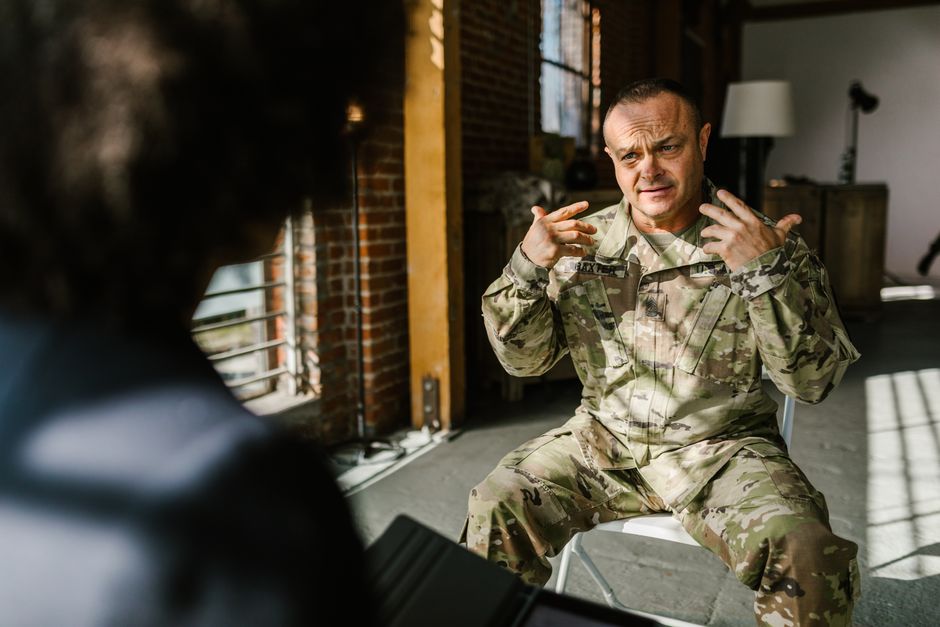
Veterans and active military: SAMHSA supports the Veterans Crisis Line and maintains specific program guidance for VA-adjacent community care. Veterans often qualify for care through multiple overlapping systems.
Children and adolescents: SAMHSA funds the National Child Traumatic Stress Network and runs the Children’s Mental Health Initiative, which supports community programs for kids with serious emotional disturbances and their families.
People experiencing homelessness: The Projects for Assistance in Transition from Homelessness (PATH) program is SAMHSA-funded and provides outreach, case management, and mental health services specifically for people without stable housing.
Disaster survivors: After major disasters, SAMHSA activates the Disaster Distress Helpline at 1-800-985-5990. A 24/7 crisis counseling service for anyone struggling with emotional distress after a natural or human-caused disaster.
People in rural areas: SAMHSA has invested heavily in telehealth, and many SAMHSA-funded programs now offer remote services. This matters enormously when you’re hours from the nearest provider.
Low-Cost and Free Mental Health Support Through SAMHSA’s Network
Cost stops people from getting help. I’ve seen it happen to people who really needed care. SAMHSA-funded Community Mental Health Centers (CMHCs) are required to offer services on a sliding-fee scale based on income. Some provide care at no cost for individuals below a certain income threshold.
Federally Qualified Health Centers (FQHCs), many of which receive SAMHSA block grant funding, integrate behavioral health into primary care and also use sliding-scale fees. Find them through the Health Resources and Services Administration’s finder at findahealthcenter.hrsa.gov.
For self-guided support between sessions or while you wait for an appointment, structured workbooks can actually help. A CBT-based workbook like Mind Over Mood: Change How You Feel by Changing the Way You Think or a mindfulness resource like The Mindfulness and Acceptance Workbook for Anxiety won’t replace therapy, but they give you something concrete to work with. (As an Amazon Associate this site earns from qualifying purchases.)
Getting connected to mental health care is rarely as clean and simple as we wish it were. There are waitlists, confusing systems, and days when the effort itself feels like too much. But SAMHSA’s network exists precisely because those barriers are real and documented. You don’t have to have the right insurance or the right diagnosis or the right words. A phone call or a search. One step at a time is enough.
This article is for general informational purposes only and does not constitute mental health, medical, or clinical advice. If you are in crisis or experiencing a mental health emergency, please contact the 988 Suicide and Crisis Lifeline (call or text 988) or go to your nearest emergency room. Always consult a licensed mental health professional for care specific to your needs.
Sources & References
- SAMHSA, National Helpline, Official info on free 24/7 mental health helpline
- SAMHSA, About Us, Agency mission and role within HHS
- 988 Suicide and Crisis Lifeline, Official site for federally-funded crisis line
Recommended Resources
Disclosure: As an Amazon Associate, we earn a small commission from qualifying purchases at no extra cost to you. We only recommend products that genuinely support the topics covered in this article.
- Feeling Good: The New Mood Therapy (~$14), The most clinically studied self-help book for depression, recommended by therapists worldwide as CBT-based self-treatment.
- Depression & Anxiety Therapy Journal (~$10), 8-week guided journal with trigger tracking and mood diary, mirrors the homework your therapist would assign between sessions.