 Kim Davis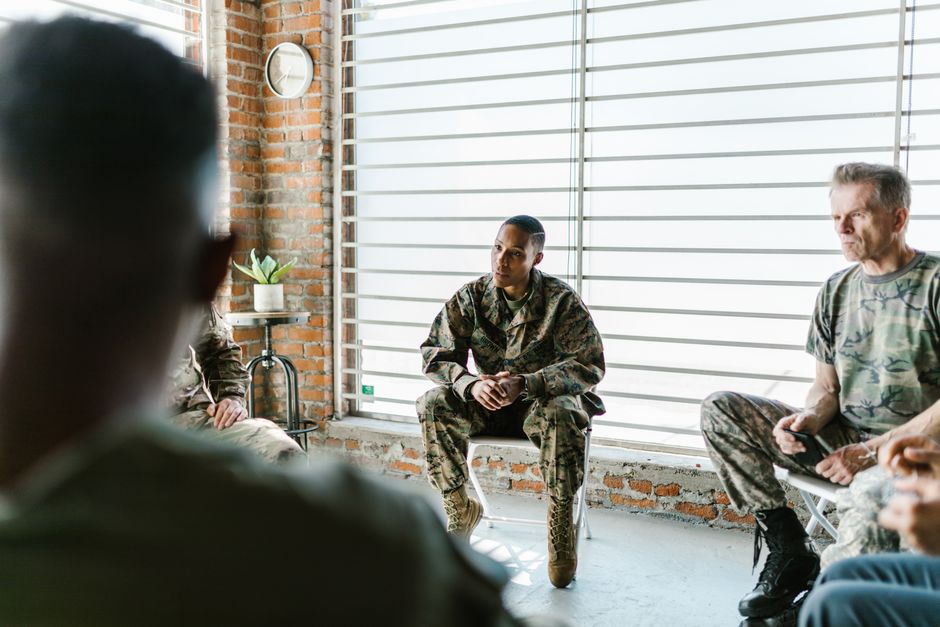
Most articles about veteran mental health spend two-thirds of their word count explaining that war is hard. You already know that. What you probably don’t know is which specific therapy types actually work for combat-related PTSD, how to access care without drowning in VA bureaucracy, and what to do if you’ve tried one approach and it didn’t help. Let’s skip the obvious part.
The VA Is a Starting Point, Not the Only Option
The Department of Veterans Affairs is the largest provider of mental health care for veterans in the country, and it’s genuinely gotten better over the past decade. The VA now offers same-day crisis services at most medical centers, telehealth appointments, and specialized PTSD clinics. If you’re eligible, use it. The price is right and clinicians are often trained specifically in military culture.
But wait times vary wildly by location. Some veterans get an appointment within two weeks. Others wait two months. If you’re stuck in the longer line and struggling, don’t just wait it out. The VA’s Community Care Program lets eligible veterans see outside providers at VA expense when the wait is too long or the VA can’t meet a specific need. Call your nearest VA medical center and ask about Community Care eligibility explicitly. Most veterans don’t know it exists.
Haven’t connected with VA care yet? NAMI’s veteran resources page is a solid first stop to understand your options before you make any calls.
The Therapy Types That Actually Have Evidence
Not all therapy is equal for combat trauma. “Just talking about it” with a general counselor often isn’t enough. Here are the approaches with the strongest research backing for veterans:
Cognitive Processing Therapy (CPT) is the current gold standard for combat PTSD. It’s a 12-session structured protocol targeting “stuck points,” those distorted beliefs that form around traumatic events. “I should have done more.” “Nowhere is safe.” It requires written assignments between sessions, which some people hate and others find genuinely useful. The VA trains a large number of therapists in CPT specifically.
Prolonged Exposure (PE) is the other top option. It’s harder to sit through because you revisit traumatic memories in a controlled, graduated way, but the outcomes are strong. Studies in JAMA and NEJM consistently show both CPT and PE outperforming general supportive therapy for PTSD. If a therapist suggests one and you flinch, that’s normal. Do it anyway if you can.
EMDR (Eye Movement Desensitization and Reprocessing) has solid evidence for trauma, though it’s more contested among researchers than CPT or PE. Some veterans swear by it, especially those who struggle to talk directly about their experiences. It’s a structured protocol using bilateral stimulation while processing trauma. Worth trying if the first two haven’t worked.
Acceptance and Commitment Therapy (ACT) doesn’t get enough discussion in veteran contexts, but it’s increasingly backed for moral injury specifically. Moral injury, the damage from witnessing or participating in things that violate your values, is distinct from PTSD and often overlooked. If your pain is less about fear and more about guilt or a shattered sense of self, ACT might fit better than exposure-based approaches.
One real caveat: therapy type matters less than therapist quality and your own commitment. A skilled therapist doing supportive counseling will often outperform a mediocre one running a structured manual.
Helpful resource: Anxiety Relief Journal with CBT Prompts and Mood Tracker is a top-rated option for this. (As an Amazon Associate this site earns from qualifying purchases.)
Finding a Therapist Outside the VA
Going outside the VA system? Psychology Today’s therapist directory lets you filter by specialty, insurance, and treatment approach. Filter for “PTSD,” “military,” or “trauma” and look for clinicians who list CPT or PE as specific modalities. “Trauma-informed care” alone has become a catch-all phrase that means almost nothing.
A few other places worth knowing:
Give an Hour connects veterans with volunteer licensed mental health professionals for free care. Quality varies, but for someone without insurance or VA eligibility, it’s real. Headstrong (formerly The Headstrong Project) provides free mental health treatment specifically for post-9/11 veterans and their families in several cities, with telehealth expanding. If you qualify by service era, it’s one of the better-resourced nonprofits around.
BetterHelp and Talkspace work for some veterans with mild-to-moderate anxiety or depression rather than active PTSD. Here’s the honest part: for complex combat trauma, asynchronous messaging isn’t a substitute for real-time structured therapy. Use them as a bridge, not a solution.
The Peer Support Factor
The clinical literature tends to underweight something that matters: peer support works. Veterans consistently say that talking with someone who’s been in service carries different weight than talking with a civilian clinician, regardless of how competent that clinician is. This isn’t a knock on civilian therapists. It’s just real.
The VA’s Peer Specialist program employs veterans with lived mental health experience as part of care teams. Ask your VA care coordinator if your facility has them. Outside the VA, organizations like the Veterans Crisis Line (dial 988, then press 1) staff veteran-specific responders. The Pat Tillman Foundation, Team Red White & Blue, and Mission 22 all build community structures that reduce isolation, which itself is a major risk factor.
If you’re helping veterans rather than being one: stop steering people only toward clinical resources. Sometimes the guy from their unit who got help and is doing better is more persuasive than anything in a brochure.
Practical Tools You Can Use Between Sessions
Therapy once a week leaves 167 hours where you’re on your own.
The VA’s PTSD Coach app is free, clinician-developed, and actually good. It includes symptom tracking, grounding exercises, and psychoeducation that reinforces what happens in session.
For structured self-reflection work, the The Mindfulness and Acceptance Workbook for Anxiety by Forsyth and Eifert is solid ACT-based support that several therapists I’ve worked with recommend between sessions. (This is an affiliate link; the site may earn a small commission.)
Sleep gets treated like a soft issue. It isn’t. Trauma-related nightmares are one of the most debilitating PTSD symptoms and one of the most undertreated. If you’re in therapy and nobody’s addressed your sleep yet, bring it up directly. Image Rehearsal Therapy (IRT) is a specific protocol for trauma nightmares with good evidence. Not every therapist knows it, but it works.
Sources & References
- VA, Mental Health Services, supports VA mental health programs and services description
- VA, Community Care Program, supports Community Care eligibility for outside providers
- National Center for PTSD, VA, supports evidence-based PTSD therapy types discussion
Photo: RDNE Stock project via Pexels
This article is for general informational purposes only and does not constitute mental health, medical, or clinical advice. If you are in crisis or experiencing a mental health emergency, please contact the 988 Suicide and Crisis Lifeline (call or text 988) or go to your nearest emergency room. Always consult a licensed mental health professional for care specific to your needs.
Recommended Resources
Disclosure: As an Amazon Associate, we earn a small commission from qualifying purchases at no extra cost to you. We only recommend products that genuinely support the topics covered in this article.
- Feeling Good: The New Mood Therapy (~$14), The most clinically studied self-help book for depression, recommended by therapists worldwide as CBT-based self-treatment.
- Depression & Anxiety Therapy Journal (~$10), 8-week guided journal with trigger tracking and mood diary, mirrors the homework your therapist would assign between sessions.