 Dr. Chris Peterson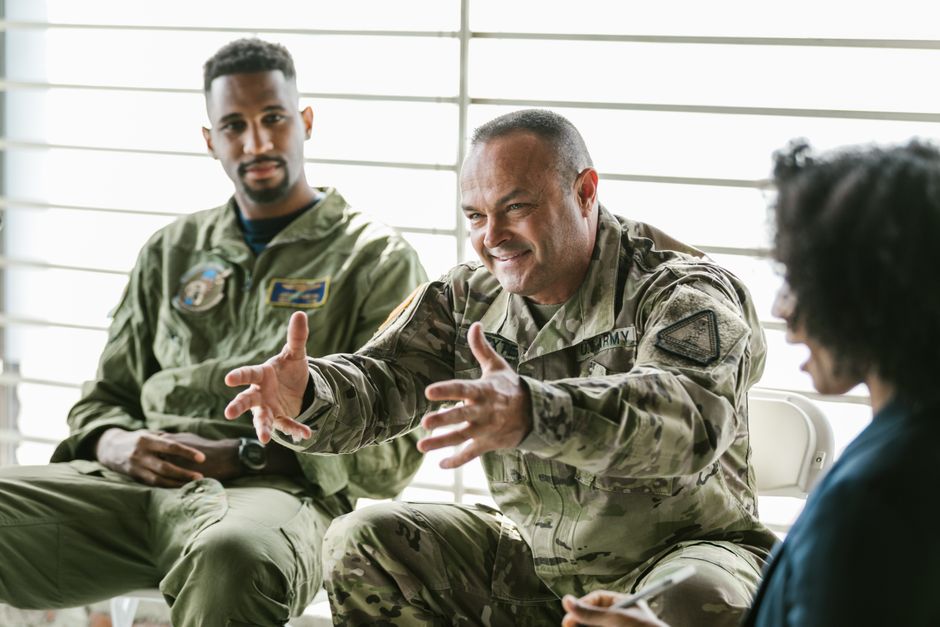
On July 13, 2026, HHS Secretary RFK Jr. and VA Secretary Doug Collins signed a memorandum of understanding that’s either a genuine turning point for veteran mental health or an expensive research exercise that helps no one for another decade. Most coverage is treating it as a victory lap. The real question is more specific: what does this deal actually do, and when does it do it?
Here’s the honest answer. The MOU commits both agencies to coordinate clinical trials, share FDA data, and train a psychedelic therapy workforce over five years. That’s not nothing. But veterans with treatment-resistant PTSD aren’t waiting five years. Half of them, roughly, aren’t getting better on existing treatments, according to a RAND study released in June 2026. The same study found that 4.8 million American veterans have already used psychedelics, mostly outside any clinical setting. The federal government is, in many respects, catching up to the patients.
- HHS and VA signed a five-year MOU on July 13, 2026, covering ibogaine, psilocybin, and MDMA for veteran PTSD.
- NIDA awarded $2.3 million specifically for an ibogaine IND application, required before any clinical trials start.
- RAND (June 2026) estimates 4.8 million veterans have already used psychedelics; up to 50% of PTSD patients don't respond to standard therapy.
- HRSA issued a workforce readiness RFI on July 14, 2026, signaling the training gap is already on the radar.
- No FDA-approved psychedelic therapies exist yet; this MOU accelerates research, not immediate patient access.
What the MOU Actually Commits To
The agreement covers three substances: ibogaine, psilocybin, and MDMA. Each is at a different stage of the regulatory pipeline, and lumping them together, as a lot of headlines are doing, obscures more than it clarifies.
| Substance | Current Federal Status | Primary Target Condition | Key 2026 Development |
|---|---|---|---|
| Ibogaine | Pre-IND (IND application funded) | PTSD, opioid use disorder | NIDA $2.3M award; ARPA-H competition launched |
| Psilocybin | No approved IND for veterans yet | PTSD, depression | Included in MOU coordination scope |
| MDMA | FDA rejected MAPS application (2024); under re-review | PTSD | Included in MOU data-sharing commitment |
Ibogaine is getting the most federal momentum right now. The $2.3 million NIDA award isn’t treatment money. It funds the paperwork and safety data required to submit an Investigational New Drug application to the FDA, which is the prerequisite for running any formal clinical trial. That step matters because ibogaine is still a Schedule I controlled substance with known cardiac risks. An IND application doesn’t mean ibogaine is safe. It means researchers are building the evidence base to test it properly.
MDMA’s path is more complicated. The FDA rejected Lykos Therapeutics’ application in August 2024, citing concerns about trial methodology and functional unblinding. The April 2026 executive order directing the FDA to accelerate review of psychedelics for serious mental illness has reopened the conversation, but accelerated review isn’t the same as approval. The MOU’s FDA data-sharing commitment could help here, but don’t expect MDMA-assisted therapy in VA clinics next year.
Why Ibogaine Is Getting the Most Attention
Helpful resource: The Body Keeps the Score by Bessel van der Kolk is a top-rated option for this. (As an Amazon Associate this site earns from qualifying purchases.)
Ibogaine is a psychoactive compound derived from the West African iboga plant. It’s been used for decades in unregulated clinics in Mexico and elsewhere, often by veterans who couldn’t wait for U.S. regulatory processes. Stanford published a study in 2024 showing meaningful PTSD symptom reduction in Special Operations veterans who received ibogaine treatment in Mexico, which created significant political pressure to study it formally.
The ARPA-H competition for ibogaine research funding, specifically targeting opioid use disorder, adds another dimension. Veterans face disproportionate rates of opioid addiction, often stemming from chronic pain treatment after injuries. If ibogaine can address both PTSD and opioid use disorder, the treatment economics change substantially. That’s speculative for now, but it explains why federal investment is concentrating here rather than spreading evenly across all three substances.
The cardiac risk concern is real and worth saying plainly. Ibogaine can cause fatal arrhythmias, particularly in patients with undiagnosed heart conditions. Any clinical trial will require cardiac screening protocols. Veterans considering self-directed ibogaine treatment at overseas clinics are taking a risk that won’t disappear because of this MOU. Speaking with a physician before any such decision isn’t optional.
The Workforce Gap Nobody Wants to Talk About
Even if ibogaine or psilocybin clears every regulatory hurdle in the next three years, the VA has no trained workforce to deliver psychedelic-assisted therapy at scale. Psychedelic-assisted therapy isn’t like prescribing an SSRI. Sessions typically run six to eight hours. Therapists need specialized training in preparation, in-session support, and post-session integration work. A single therapist can see far fewer patients per week than in standard outpatient care.
HRSA issued a Request for Information on July 14, 2026, the day after the MOU was signed, asking stakeholders how the healthcare workforce should prepare for potential FDA-approved psychedelic therapies in community settings. The fact that HRSA is still in the “asking questions” phase tells you where workforce readiness actually stands. Answering that RFI well will matter more than the MOU itself for whether any of this reaches rural veterans in Kentucky or South Dakota. Forbes noted on July 14 that workforce development is explicitly included in the MOU’s scope, which is the right instinct. Whether it gets adequately funded is a different question.
What This Means If You’re a Veteran Seeking Help Now
The MOU does not open a new treatment pathway today. No psychedelic therapies are FDA-approved, and VA facilities are not administering them outside of existing, pre-MOU research programs. If you’re a veteran with PTSD who hasn’t responded to standard treatment, here are your realistic options right now:
Existing VA programs: The VA does offer evidence-based PTSD treatments including Prolonged Exposure therapy and Cognitive Processing Therapy. Not everyone responds, as the RAND data confirms, but these should be the starting point before considering experimental alternatives.
Clinical trial enrollment: ClinicalTrials.gov lists active trials involving psilocybin and other substances for PTSD. Eligibility requirements are strict, and these trials are not treatment, they’re research. But they’re legal and monitored.
Overseas clinics: Veterans are already using them. The risks are real, including cardiac risk with ibogaine and the absence of follow-up integration support. If someone is considering this, they should discuss it with a physician and ideally connect with a therapist trained in psychedelic integration to support them before and after. The organization MAPS (now restructured) and the Multidisciplinary Association for Psychedelic Studies maintain lists of integration-trained therapists.
The July 13 MOU, as the HHS press release states, represents a commitment to “accelerate” research, not to deliver immediate care. That’s the honest framing. Five years of coordinated federal research, done well, could genuinely shift what’s available to veterans by 2030. Done poorly, it becomes a budget line that produces conference papers. Veterans and their families should watch the IND application progress, the HRSA workforce response, and whether Congress appropriates real money for the trial infrastructure the MOU requires. Those signals will matter more than any signing ceremony.
Sources
- HHS & VA Announce Bold Partnership to Advance Rapid-Acting Mental Health Treatments for Veterans (July 13, 2026)
- VA, HHS to Increase Psychedelic Therapy Research for PTSD, Military-Related Mental Health Issues (July 14, 2026)
- Federal Agencies Unite on Psychedelic Trials for Veterans (July 14, 2026)
- VA, HHS Launch New Psychedelic Therapy Partnership That Will Impact More Than 1 Million Veterans (July 13, 2026)
- HHS and VA Collaborate on Psychedelic Treatment for Veterans (July 14, 2026)
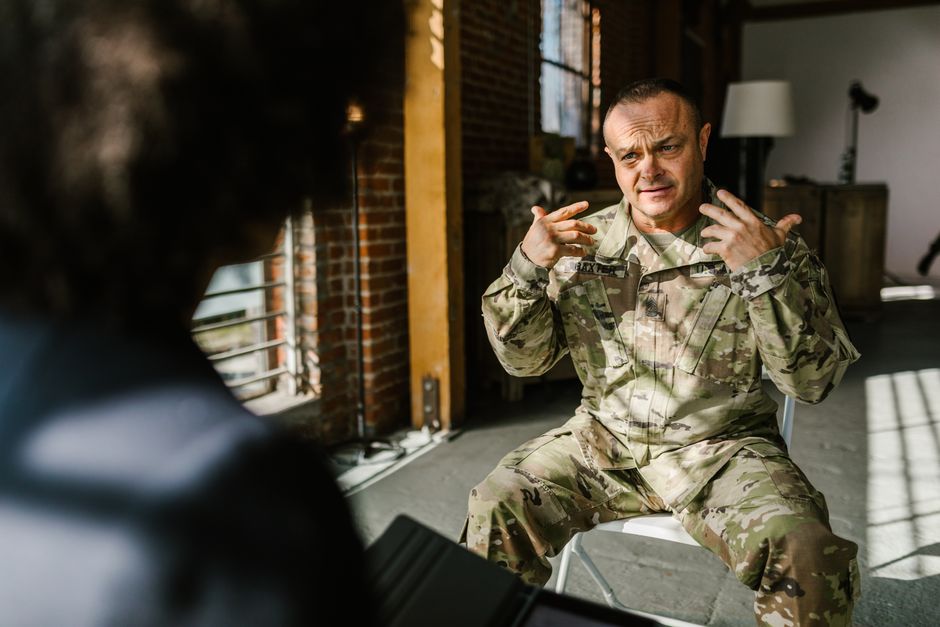
Photo: RDNE Stock project via Pexels
This article is for general informational purposes only and does not constitute mental health, medical, or clinical advice. If you are in crisis or experiencing a mental health emergency, please contact the 988 Suicide and Crisis Lifeline (call or text 988) or go to your nearest emergency room. Always consult a licensed mental health professional for care specific to your needs.
Recommended Resources
Disclosure: As an Amazon Associate, we earn a small commission from qualifying purchases at no extra cost to you. We only recommend products that genuinely support the topics covered in this article.
- Feeling Good: The New Mood Therapy (~$14), The most clinically studied self-help book for depression, recommended by therapists worldwide as CBT-based self-treatment.
- Depression & Anxiety Therapy Journal (~$10), 8-week guided journal with trigger tracking and mood diary, mirrors the homework your therapist would assign between sessions.